
Skip to product information


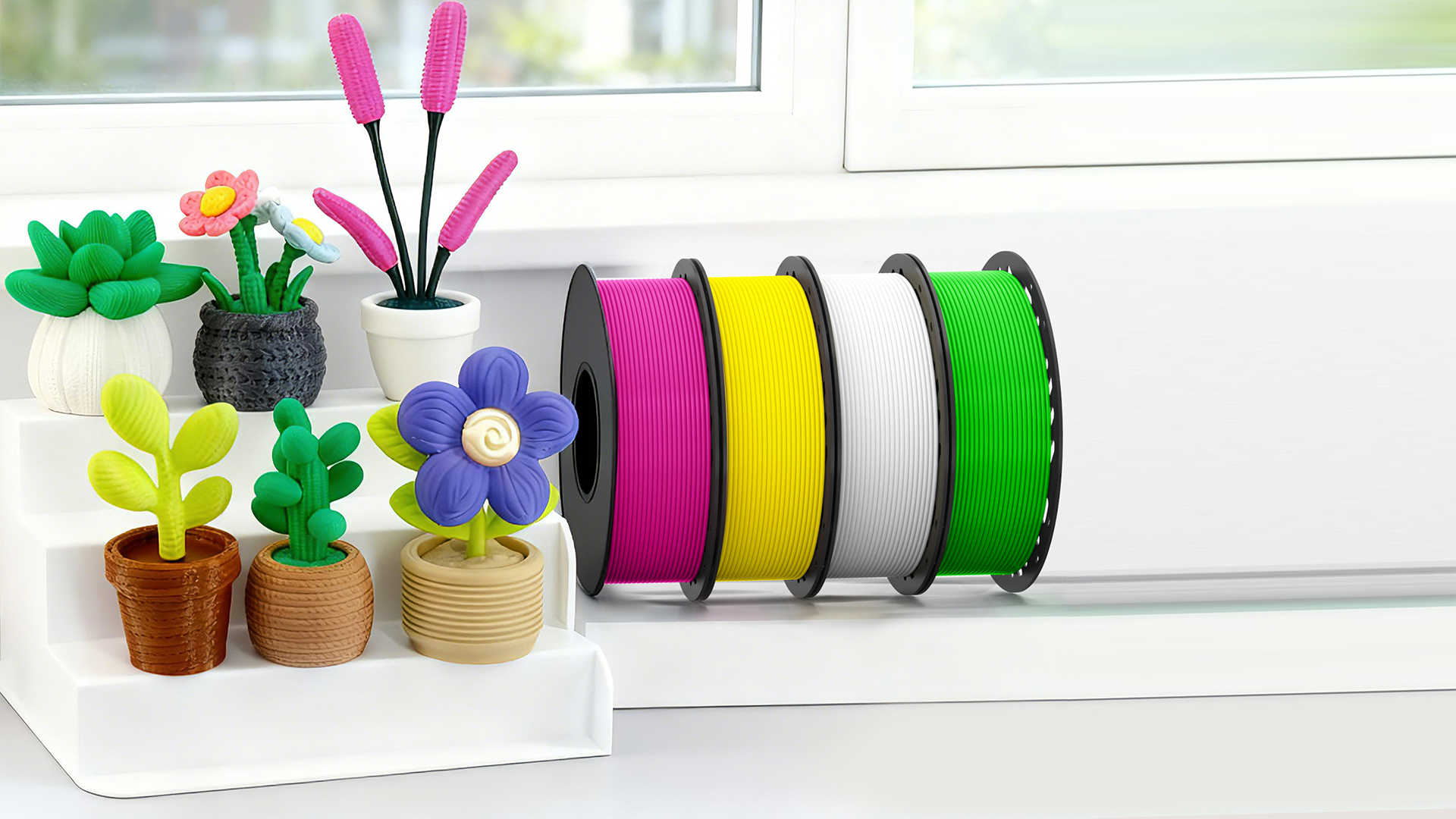
PLA Mystery Box
Sale price
$16.99
Regular price
$23.99
Reliable shipping
Flexible returns
Description
Mystery Box — Only $16.99 per roll
✨ Each PLA Mystery Box Has a Chance to Include:
-
Limited Metal Colors
-
Silk Multicolor Editions
-
Rainbow shift
Perfect for makers who love surprises and rare colors!
What is the difference between PLA, ABS, PETG, and TPU? How do I choose?
Here's a quick breakdown of the most common filaments:
PLA (Polylactic Acid): Best for beginners. It prints at a low temperature, has minimal warping, is odorless, and offers a glossy finish. However, it has moderate strength and a low heat resistance (can soften around 60°C).
ABS (Acrylonitrile Butadiene Styrene): High strength, heat resistance, and durability. It requires a heated bed and an enclosed printer to prevent warping and may produce fumes during printing.
PETG (Polyethylene Terephthalate Glycol): A great middle-ground. It combines the ease of printing of PLA with the strength and durability of ABS. It's tough, impact-resistant, and has good layer adhesion.
TPU (Thermoplastic Polyurethane): A flexible, rubber-like filament. It's used for parts that need to bend or absorb shock, like phone cases or gaskets.
Recommendation: Start with PLA if you're new. Choose ABS or PETG for mechanical parts, and TPU for flexible applications.
What is the filament diameter and tolerance?
Our filaments come in two standard diameters: 1.75mm and 2.85mm. Please select the correct size for your specific 3D printer model. We adhere to strict high-precision standards, with our 1.75mm filament maintaining a tight diameter tolerance of ±0.02mm to ±0.05mm, ensuring smooth extrusion and preventing clogs or print defects caused by inconsistent filament width.
Why does my print keep warping/lifting off the build plate?
Warping is typically caused by the model cooling and contracting. You can try these solutions:
Ensure your build plate temperature is correct and uniform.
Use an adhesive like a glue stick, hairspray, or a dedicated 3D printing adhesive.
Turn off the part cooling fan for the initial layers, especially when printing ABS.
Re-level your print bed to ensure the first layer is evenly "squished" onto the surface.
Use a brim or raft in your slicer to increase adhesion.